Reward Migration Patterns Across Mobile Gaming: From Sports Bets to Live Dealer Credits
Written by Nils Sullivan · Nov 12, 2026
Reward Migration Patterns Across Mobile Gaming: From Sports Bets to Live Dealer Credits
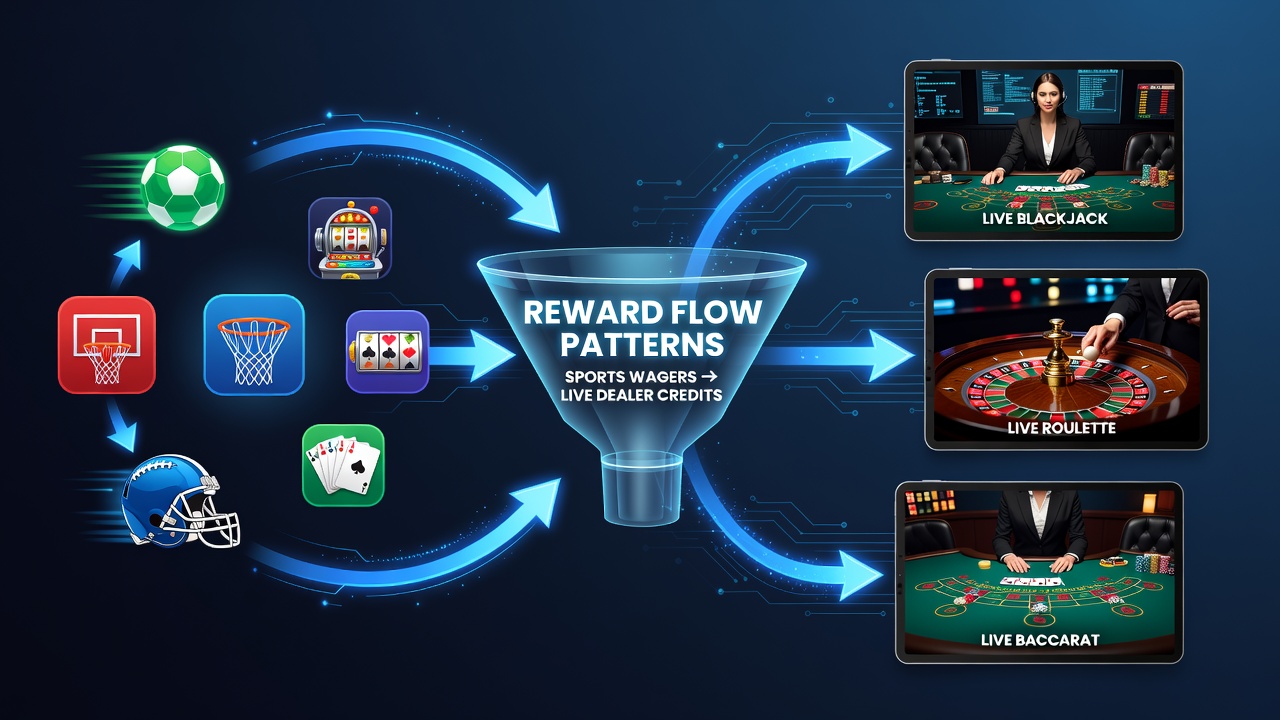
Integrated mobile platforms now route rewards earned through sports wagers directly into live dealer table credit balances, and operators track these flows through unified player accounts that span multiple game types. Data from industry reports shows conversion rates vary by jurisdiction, with systems linking bet outcomes to credit transfers in real time across sportsbooks and casino modules. Observers note that these patterns emerged more clearly after platform updates in early 2026, when several operators expanded cross-game functionality to retain user activity within single ecosystems.
Core Mechanics of Reward Conversion
Players place sports wagers on mobile apps, accumulate loyalty points or bonus funds based on stake volume and odds, then see those assets convert into live dealer credits when they switch to table games such as blackjack or roulette. The process relies on backend ledgers that assign conversion multipliers, often ranging from 1:1 for standard points to adjusted ratios during promotional windows. Research indicates that conversion triggers activate automatically once a sports betting session ends and the user navigates to the live dealer lobby, reducing friction between verticals.
Platforms employ API connections between sports betting engines and casino management systems to handle these transfers without manual intervention. Figures from the American Gaming Association reveal that integrated accounts now represent over 60 percent of active mobile sessions in regulated U.S. markets, allowing seamless movement of credits while maintaining separate ledgers for regulatory reporting.
Tracking Patterns Across Multi-Game Sessions
Analytics tools monitor reward flows by logging timestamps, conversion amounts, and subsequent play duration at live tables. Patterns show that credits originating from sports wagers tend to circulate longer in dealer games during evening hours, whereas daytime transfers often return to sports betting within the same session. Data collected in November 2026 highlighted increased volume during major league events, when sports bettors carried winnings into table play at rates 15 percent above monthly averages.
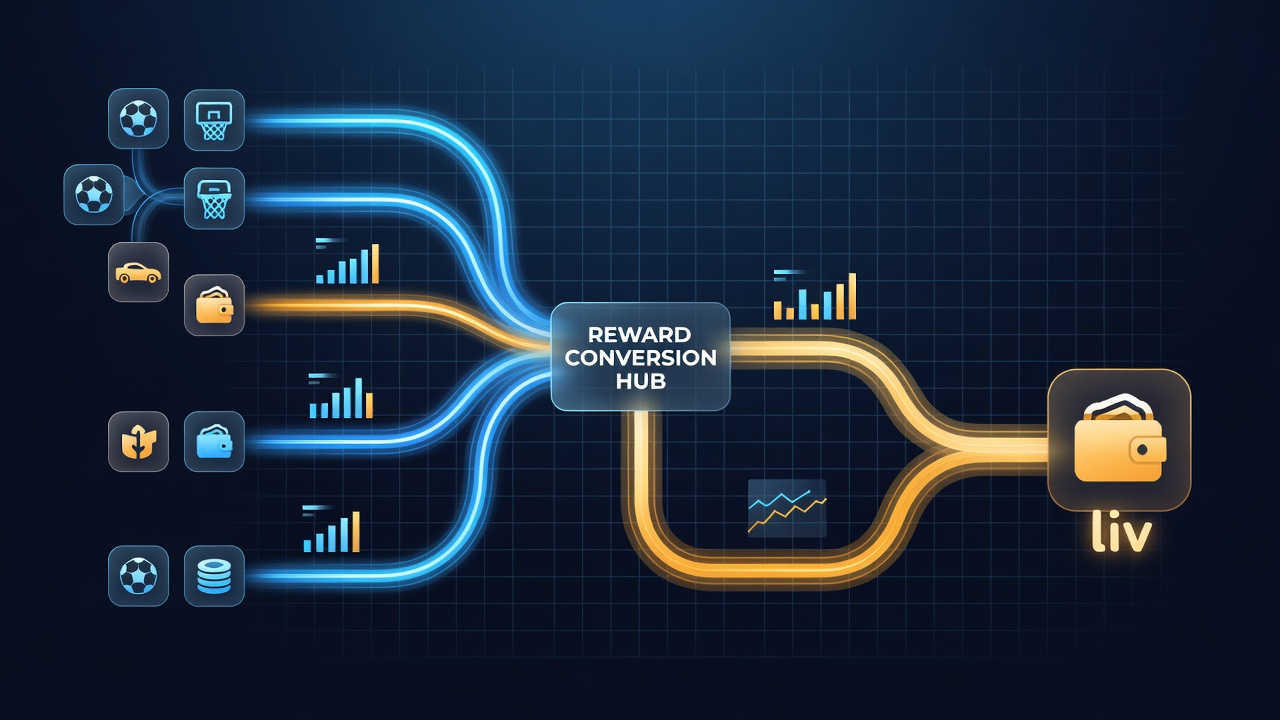
Operators segment these flows by player tier, noting that high-volume users exhibit tighter loops between sports and live dealer activity. One study of Australian market data found that 42 percent of converted credits remained active in table games for at least three additional sessions before cashout requests. Such metrics help platforms adjust bonus structures without altering core game mathematics.
Regional Regulatory Influences on Flow Visibility
Regulatory frameworks in different regions shape how clearly reward migrations appear in public data. In Canada, provincial oversight requires detailed reporting of cross-product transfers, while certain European markets focus instead on player protection thresholds that indirectly affect conversion limits. A report issued by the European Gaming and Betting Association in late 2026 documented standardized data fields now used across operators to record these movements for compliance audits.
November 2026 saw several U.S. state regulators request expanded logs on credit conversions following sports events, aiming to verify that funds move only through verified player accounts. These requirements have prompted platforms to refine their tracking dashboards, which now display flow diagrams for internal review and external audits alike.
Technical Implementation in Mobile Environments
Mobile applications use session tokens and wallet APIs to maintain continuity when users shift from sports betting interfaces to live dealer streams. The underlying systems reconcile balances every few seconds, preventing discrepancies that could interrupt play. Evidence from technical white papers shows that latency in credit transfers averages under two seconds on 5G networks, supporting uninterrupted engagement across game types.
Security protocols encrypt conversion records at multiple layers, and operators conduct periodic reconciliation checks against transaction histories. Those who have examined platform architectures note that these safeguards also support responsible gaming tools, such as session reminders triggered after credit conversions reach predefined thresholds.
Conclusion
Reward flow patterns on multi-game mobile platforms continue to evolve as operators refine the pathways linking sports wagers to live dealer credits. Available data from regulatory and industry sources demonstrates consistent tracking mechanisms, regional variations in reporting standards, and measurable session behaviors tied to these conversions. Continued monitoring through established analytics frameworks provides operators and regulators with the information needed to maintain system integrity across jurisdictions.