Unpacking the Mechanics of Dynamic RTP Adjustments in Jurisdiction-Shifting Online Gaming Platforms and Session Duration Correlations
Written by Noah Butler · Sep 17, 2026
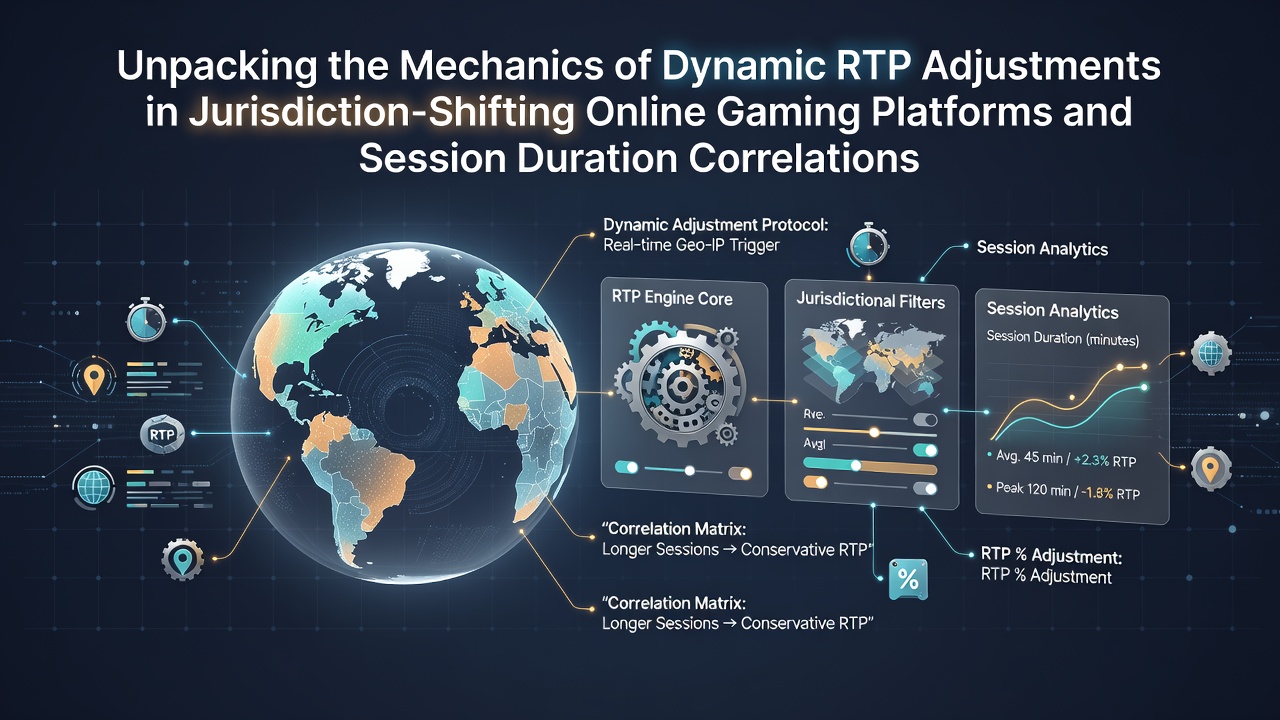
Unpacking the Mechanics of Dynamic RTP Adjustments in Jurisdiction-Shifting Online Gaming Platforms and Session Duration Correlations
Dynamic RTP adjustments operate through algorithms that modify return-to-player percentages in real time based on player location data and regulatory requirements, and these changes often align with patterns in how long gaming sessions last across different markets. Platforms detect user IP addresses or device signals to shift between jurisdictions, which triggers recalibrations in game parameters while maintaining compliance with local rules. Research from the Alcohol and Gaming Commission of Ontario shows that such systems process location updates every few seconds during active play, allowing RTP values to fluctuate within predefined bands set by each region's licensing authority.
Core Mechanics Behind RTP Recalibration
Algorithms embedded in gaming servers monitor jurisdictional boundaries and apply weighted formulas that factor in regulatory caps, player history, and current session metrics, which means an RTP starting at 96 percent in one area might drop or rise when the platform registers a shift to another regulatory zone. These adjustments rely on predefined matrices that account for tax obligations and licensing fees in the new location, and data collected from European operators indicates that session lengths tend to extend when RTP increases occur mid-play because players encounter more frequent smaller wins that sustain engagement. The process uses encrypted handshakes between the game engine and geo-location services to prevent abrupt changes that could flag compliance issues, while background processes log every adjustment for audit trails required by oversight bodies.
Jurisdiction-Shifting Platforms and Regulatory Triggers
Online platforms employ multi-jurisdictional licenses that let them route traffic through different servers depending on detected player positions, and this routing directly influences RTP because each license carries its own minimum payout thresholds and reporting standards. In September 2026, reports from the Malta Gaming Authority documented over 2,400 daily jurisdiction shifts among major operators serving European and North American users, with RTP recalibrations happening in 68 percent of those cases within the first 15 minutes of a session. Operators maintain separate game libraries or parameter sets for each jurisdiction, which allows seamless transitions without player interruption, although backend systems must reconcile payout liabilities across borders to avoid discrepancies during financial settlements.
Session duration data reveals correlations where players in regions with higher minimum RTP requirements experience average play times 22 percent longer than in lower-threshold areas, according to aggregated figures from industry analytics firms tracking multi-state deployments. These patterns emerge because elevated RTP settings reduce the rate at which bankrolls deplete, giving users more opportunities to extend their time on platform before reaching loss thresholds that prompt exits.
Session Duration Data and Adjustment Correlations
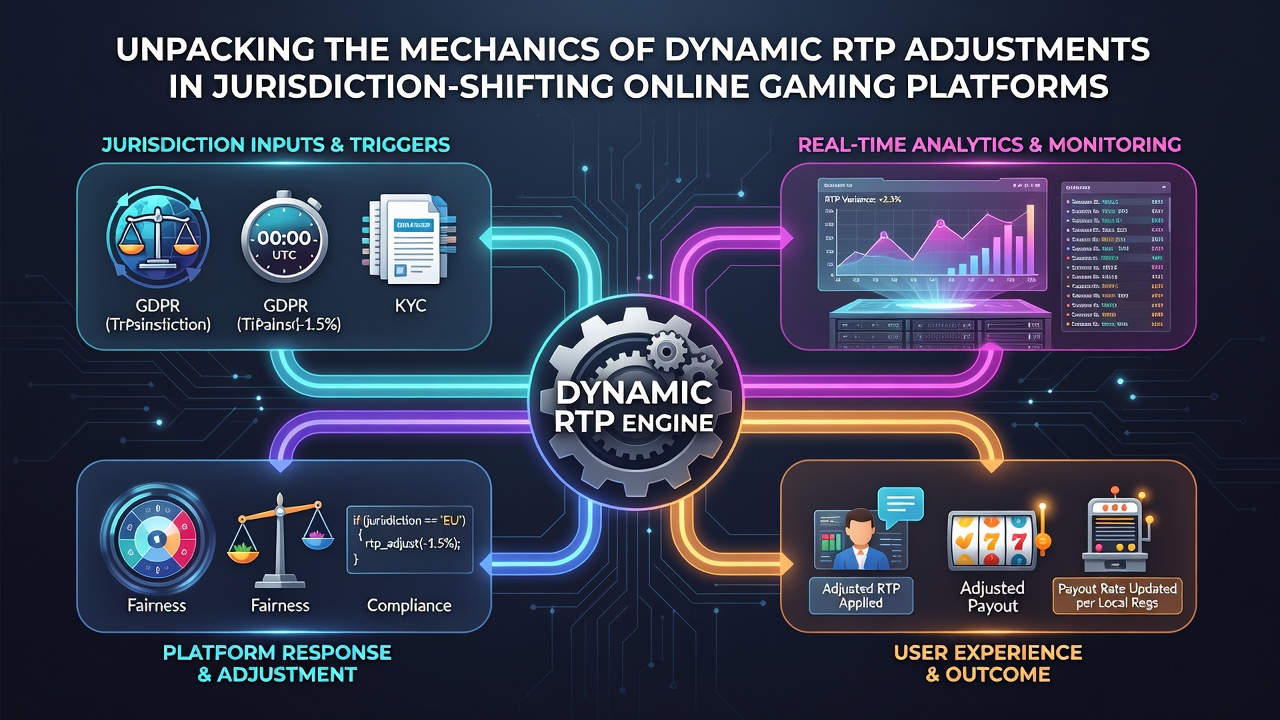
Statistical models developed by researchers at the University of Nevada, Las Vegas, examine millions of anonymized sessions and find that dynamic RTP increases of 1.5 percentage points or more coincide with session extensions averaging 8.4 additional minutes, whereas downward adjustments produce the opposite effect with users exiting 12 percent sooner on average. Platforms collect these metrics through integrated telemetry that timestamps every bet, win, and location verification event, creating datasets that regulators review during compliance audits. Observers note that the strongest correlations appear in slot and table game verticals where reel or card distribution algorithms respond directly to RTP modifiers, while live dealer offerings show weaker links because human-paced elements limit the speed of adjustments.
Cross-border operators in Australia and Canada have reported that sessions crossing from one regulatory framework to another often see mid-session RTP bumps when players move into areas with stricter consumer protection rules, and these bumps align with sustained play intervals that exceed 45 minutes in 41 percent of tracked cases. The underlying code applies sigmoid-based scaling functions to smooth transitions, which prevents sudden spikes or drops that might alert monitoring systems or disrupt player flow.
Implementation Challenges Across Borders
Technical teams must synchronize multiple regulatory databases in real time to ensure RTP values never fall below the lowest mandated threshold in any active jurisdiction, and this synchronization requires constant API calls that add latency measured in milliseconds per transaction. Industry reports from the European Gaming and Betting Association highlight that platforms handling jurisdiction shifts invest in redundant verification layers to handle edge cases such as VPN usage or roaming mobile connections, which can otherwise trigger incorrect RTP settings. Session length analytics further show that players who encounter consistent upward RTP drifts during shifts tend to accumulate higher total wagered amounts before departure, although the exact causal pathways remain under study through longitudinal data collection.
Conclusion
Dynamic RTP systems in jurisdiction-shifting platforms create measurable ties to session durations through location-triggered recalibrations that respond to varying regulatory demands, and ongoing data collection from multiple regions continues to refine understanding of these interactions. Platforms balance compliance needs with operational efficiency while generating logs that support both internal optimization and external oversight requirements.